A website for $129.99/mo— design, hosting & 5 pages included.Claim it
Branding
Brand Colors: Psychology and Best Practices for Your Business
October 25, 2026
12 min read
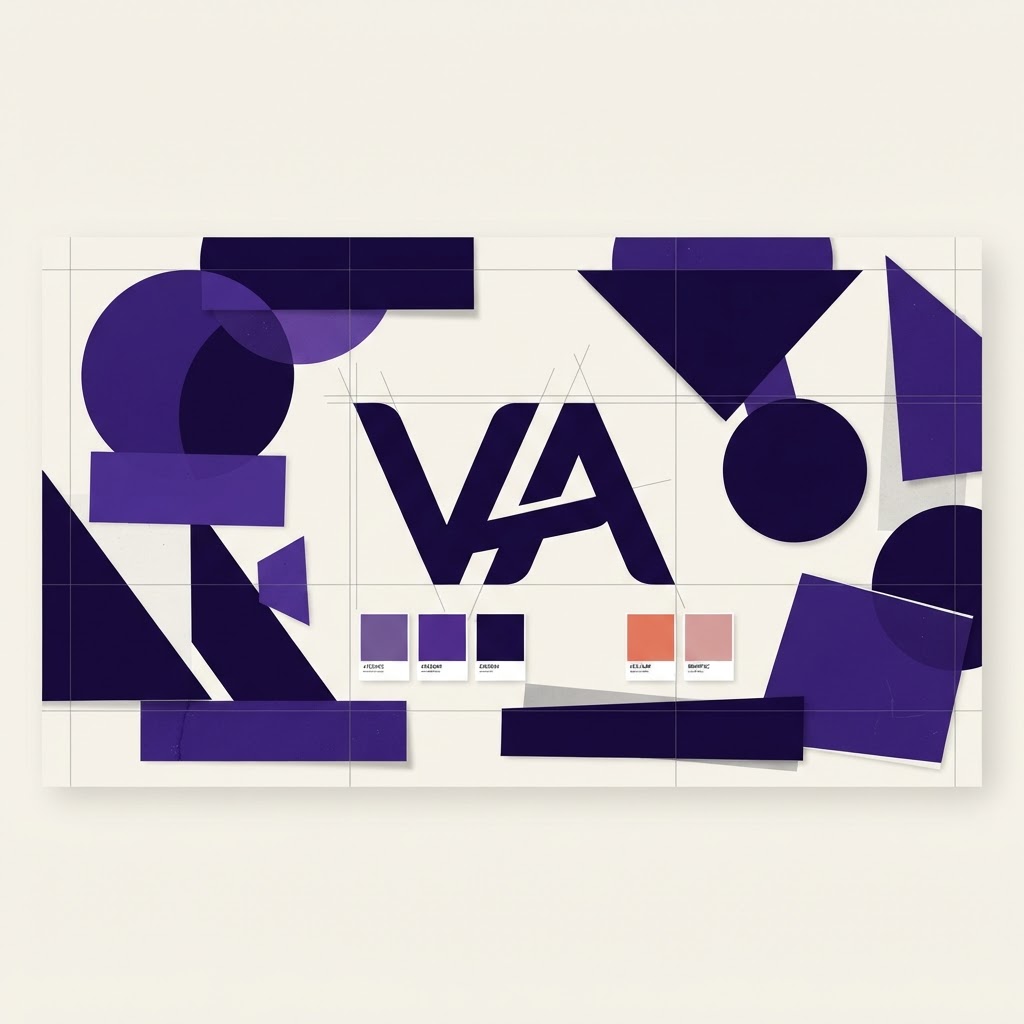
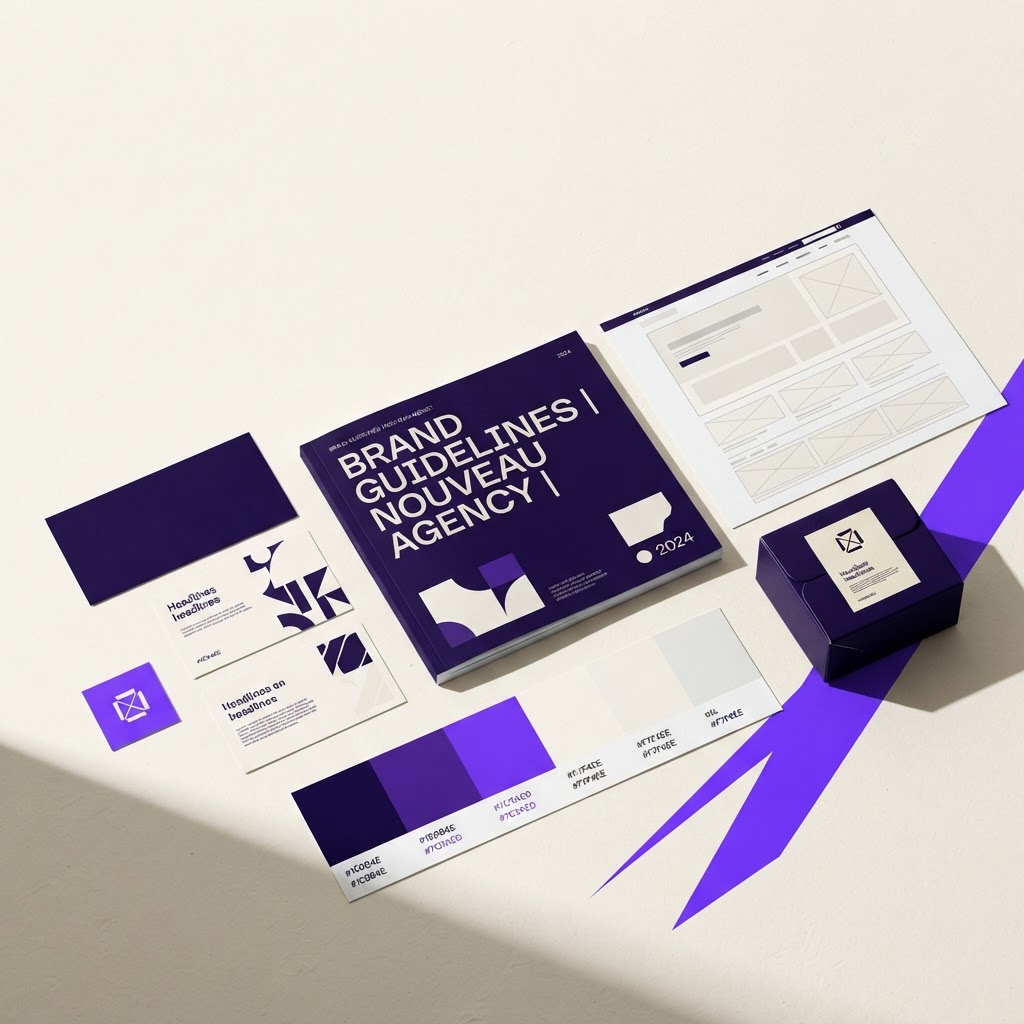
Brand Colors: Psychology and Best Practices for Your Business. In the competitive landscape of the Ontario market, your visual identity is often the first interaction a potential client has with your business. Understanding Brand Colors: Psychology and Best Practices is not just a creative exercise; it is a fundamental pillar of effective branding. Color is a silent communicator that triggers immediate psychological and emotional responses, influencing consumer behavior before a single word is read. Whether you are launching a startup in Toronto or rebranding an established enterprise, selecting the right palette requires a strategic balance of artistic flair and behavioral science. At Brand Street Agency, we help businesses define their visual voice by leveraging the hidden power of the color spectrum to drive engagement and loyalty. In this guide, we will explore the nuances of color theory, how to align your hues with your brand values, and how to maintain consistency across all digital touchpoints—from your website design to your social media marketing strategy. ## The Science Behind Color Perception. Color psychology is the study of how colors affect human behavior, mood, and decision-making. When a consumer looks at your logo or website, their brain processes the color immediately, often subconsciously associating it with specific feelings or attributes. ### Primary Psychological Associations. - Red: Passion, energy, urgency, and boldness. Often used by food and retail brands. - Blue: Trust, stability, intelligence, and calmness. A staple for corporate and financial firms. - Green: Growth, health, tranquility, and nature. Ideal for wellness and sustainable brands. - Yellow: Happiness, optimism, and warmth. Used to grab attention and project friendliness. - Black: Luxury, sophistication, and power. Essential for high-end fashion and premium technology. ## Comparison Table: Color Meanings and Industry Application. | Color | Primary Emotion | Typical Industry | |-------|-----------------|------------------| | Blue | Trust | Banking/Tech | | Red | Urgency | Food/Retail | | Green | Stability | Health/Eco | | Black | Elegance | Luxury/High-End | | Yellow| Optimism | Creative/Youth | ## How to Build Your Brand Palette. Building a cohesive brand identity starts with defining your core values. If your business focuses on security, a bright, chaotic palette will undermine your message. Conversely, if your brand is about disruption and innovation, a conservative, muted palette may fail to stand out. ### Steps for Selecting Your Palette. 1. Define your brand archetype: Are you a Creator, an Outlaw, a Caregiver, or a Sage? 2. Analyze your competitors: Ensure you are choosing a color scheme that differentiates you within the Canadian market. 3. Select a primary color: This will be the face of your brand. 4. Choose supporting accents: Use secondary colors for buttons, icons, and highlights to improve web design usability. ### The 60-30-10 Rule. A professional design secret is the 60-30-10 rule: 60% of your primary color, 30% of your secondary color, and 10% of your accent color. This creates visual balance and prevents the design from feeling cluttered. ## Consistency Across Channels. Once you have defined your palette, consistency is paramount. From your brand identity design to your SEO strategy, every asset must speak the same visual language. If your social media colors don’t match your website, you lose brand recognition. Our team specializes in creating web design solutions that ensure your color palette remains vibrant and functional across all screen sizes. If you need help refining your aesthetic or building a strategy that resonates with your audience, contact Brand Street Agency today. ## Elevating Your Brand with Strategy. Visual identity is only one part of the puzzle. When combined with targeted social media marketing, your brand colors become a powerful asset for customer acquisition. Let us help you define a palette that speaks volumes about your company's mission.